

- Home
- Blog
Understanding Stretch Marks: Causes, Prevention, and Treatment Options
Stretch marks, scientifically known as striae, are a common skin concern affecting millions of people worldwide. These streaks or lines appear on the skin when it is stretched rapidly, often due to growth spurts, weight gain, pregnancy, or bodybuilding. While they are harmless, many individuals seek ways to prevent and reduce their appearance for cosmetic reasons.
What Causes Stretch Marks?
Stretch marks occur when the skin’s middle layer, known as the dermis, is stretched beyond its elastic limits. This rapid stretching causes the collagen and elastin fibers in the skin to break, leading to the formation of scars.
Common causes include:
- Pregnancy: Hormonal changes and the expanding abdomen can cause stretch marks, typically on the belly, breasts, thighs, and hips.
- Puberty: Growth spurts during adolescence can lead to stretch marks on the back, thighs, hips, and breasts.
- Rapid Weight Gain or Loss: Significant changes in body weight can stretch the skin, causing marks.
- Bodybuilding: Rapid muscle growth can stretch the skin, especially on the arms, chest, and shoulders.
- Genetics: A family history of stretch marks can increase the likelihood of developing them.
Preventing Stretch Marks
While it may not be possible to completely prevent stretch marks, certain strategies can reduce the risk:
- Maintain a Healthy Diet: A balanced diet rich in vitamins A, C, and E, zinc, and protein can promote healthy skin and improve its elasticity.
- Stay Hydrated: Drinking plenty of water helps keep the skin hydrated and more elastic.
- Regular Exercise: Keeping your body fit and maintaining a stable weight can help prevent the rapid skin stretching that causes stretch marks.
- Use Moisturizers: Regularly applying moisturizers or oils, such as cocoa butter, shea butter, or almond oil, can keep the skin supple and improve its elasticity.
Treatment Options for Stretch Marks
If you already have stretch marks, several treatments can help reduce their appearance:
- Topical Treatments: Creams and ointments containing retinoids, hyaluronic acid, or centella asiatica can improve the appearance of stretch marks by stimulating collagen production and enhancing skin elasticity.
- Laser Therapy: Fractional laser therapy or pulsed dye laser treatments can stimulate collagen production and improve the texture and color of stretch marks.
- Microneedling: This treatment uses tiny needles to create micro-injuries in the skin, stimulating collagen and elastin production and reducing the appearance of stretch marks.
- Chemical Peels: Applying a chemical solution to the skin can remove the outer layer and promote the growth of new, smoother skin.
- Radiofrequency: This non-invasive treatment uses radio waves to heat the skin, stimulating collagen production and improving the texture of stretch marks.
EstheClinic’s Intensvive Stretchmarks Removal Programme
EstheClinic has a 3-in-1 intensive stretchmarks removal programme that is painless, non-invasive, and has no downtime!
How does it work?
Step 1: Radiofrequency is used to tighten the skin, stimulate collagen production and to smooth out any uneven textures caused by the stretchmarks
Step 2: We use a dermaroller made with 1040 titanium micro-needles to promote a wound-healing process, flooding stretch mark scars with new collagen and elastin to promote skin renewal and regeneration.
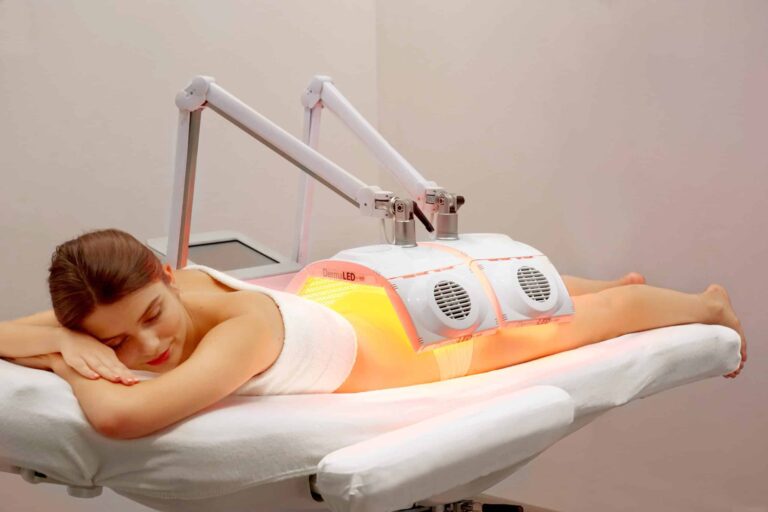
Step 3: To finish off the treatment, we use our LED Therapy to stimulate collagen production and cellular regeneration, the perfect remedy for stretch marks.
Be the first to receive our latest insights and promotions, subscribe to our mailing list.
Tags
